



Filtration of amine and glycol removes contaminants from amine and glycol streams in gas sweetening and gas dehydration, helping the system stay clean, efficient and reliable.
Where it’s needed (Process)
- Amine systems: For the clean and efficient amine solvent in gas treating loops.
- Glycol Systems: To maintain drying performance and minimise fouling in TEG/MEG dehydration units.
- Inline process protection: for pumps, contactors, filters, regenerators and heat exchangers. Kinds of Contaminants:
- Dirt and suspended solids.
- Rust and corrosion debris
- Sludge and degradation products
- Hydrocarbon carry over.
- Polymerised or gummy deposits
- Fine catalyst or scale-particles
- Foaming impurities
Problems of Filtration Process:
| Issue | Cause | Impact on the Process | How Filtration Helps |
|---|---|---|---|
| Foaming | Surfactant-like contaminants, hydrocarbons, and degradation products | Carryover into contactors, vessel upsets, and lost solvent | Removes foam-promoting contaminants before they build up |
| Fouling | Sludge, solids, and polymeric deposits | Reduced heat transfer in exchangers and lower mass transfer in contactors | Keeps solids out of the circulation loop |
| Plugging | Fine particles and scale blinding filter media | Higher pressure drop, pump strain, and frequent cartridge changes | Captures particles in graded pre-filtration stages |
| Corrosion | Rust, iron sulphide, and acidic degradation products | Metal wear in pumps, piping, and vessels; contaminated downstream streams | Removes corrosion particles that act as abrasives and catalysts for further damage |
| Poor Regeneration | Dirty or degraded glycol and amine | Higher water content in dried gas, off-spec dew point, and weaker sweetening | Maintains clean solvent so the regenerator can operate efficiently |
| Solvent Loss | Carryover, foaming, and solvent degradation | Higher make-up chemical costs and environmental handling issues | Helps reduce carryover and extend solvent life |
| Downtime | Blocked filters, fouled equipment, and emergency cleaning | Lost throughput and higher maintenance costs | Supports stable pressure drop and planned, staged cartridge changes, especially with duplex housings |
Why it Matters
- Preserves Amine Absorption and Glycol Dehydration Efficiency
- Reduces foam, fouling, corrosion and plugging
- Increases uptime and prolongs equipment life
- Reduces solvent loss and operating costs
- Helps keep gas treating and dehydration units within specification
Related Products
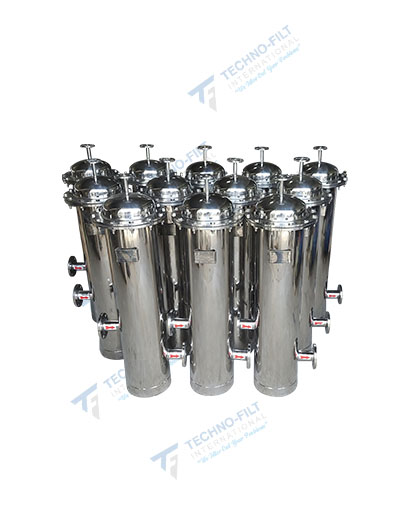
Cartridge Filter Housing
For in-line filtration of amines and glycols
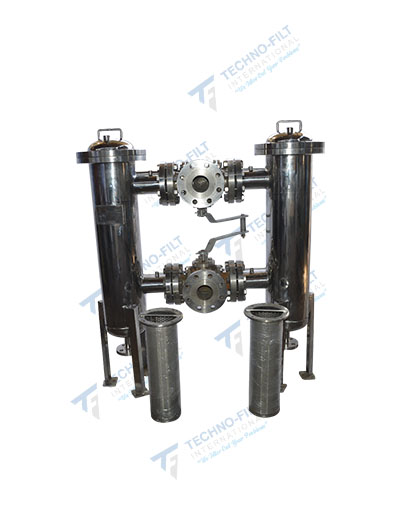
Duplex Filter Housing
Continuous operation during cartridge change-out
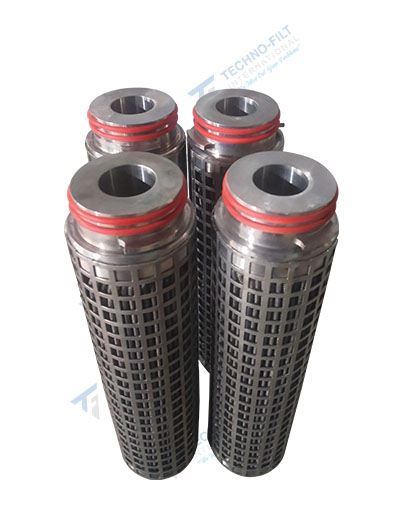
PP Pleated Filter Cartridge
Fine Particulate Removal
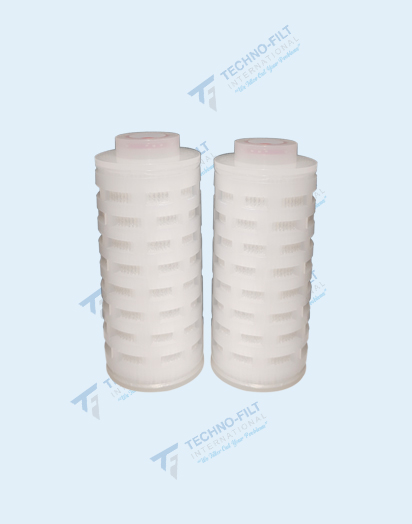
Glass Fibre Cartridge
For demanding liquid service
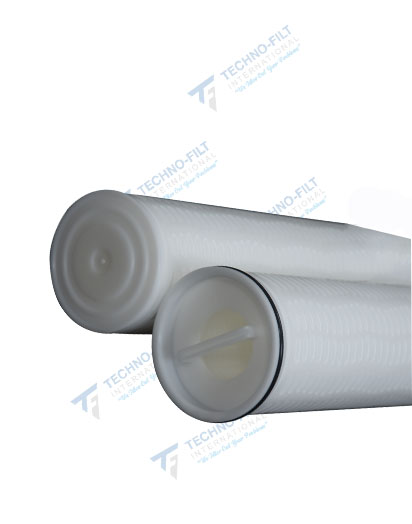
High Flow Cartridge
For larger systems
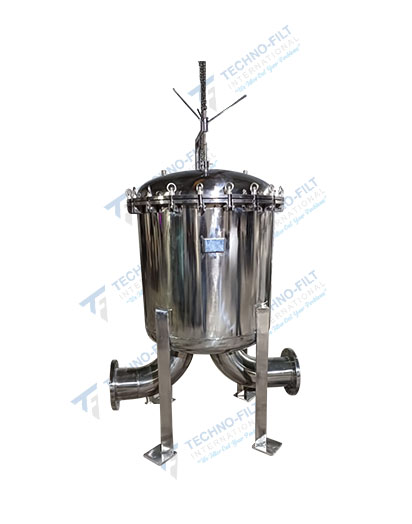
Bag Filter Housing
For streams with high solids loadings